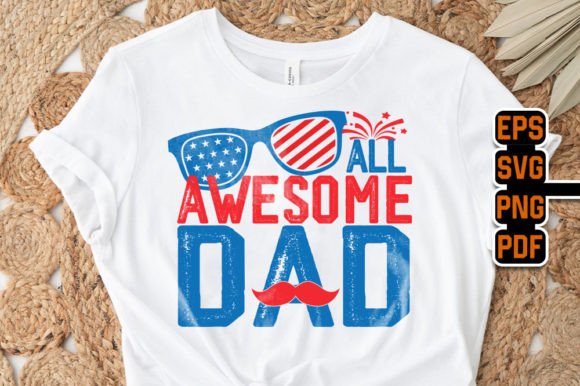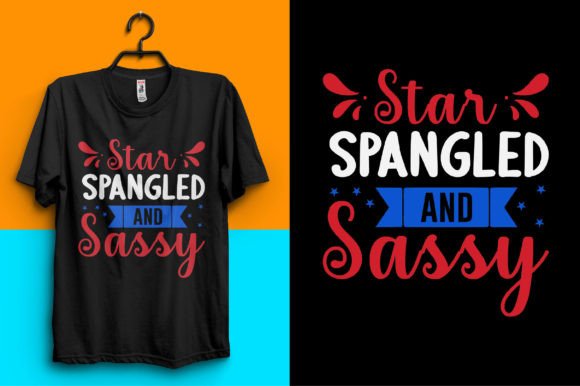
Independence Day July 4 26 March Holiday
As a designer and embroidery product reviewer, I’ve seen my fair share of holiday-themed designs. But when I came across the Independence Day July 4 26 March Holiday machine embroidery design, I knew it had potential for a variety of real-world projects. Let’s break down how this design performs in practical use, what it can bring to your craft business, and where it might fall short.
First Impressions: A Bold, Patriotic Statement
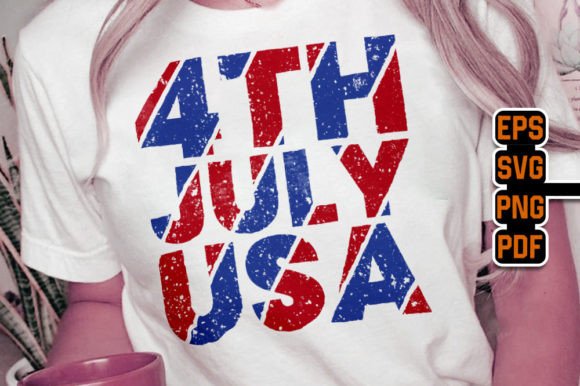
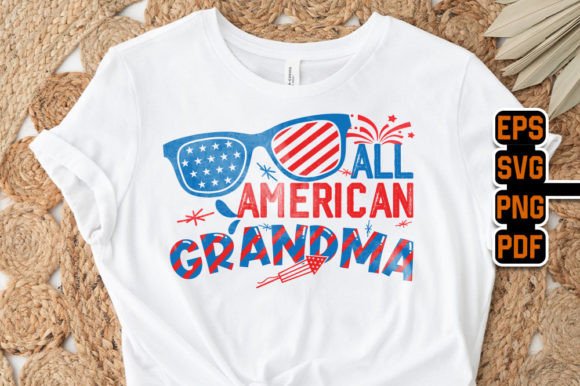
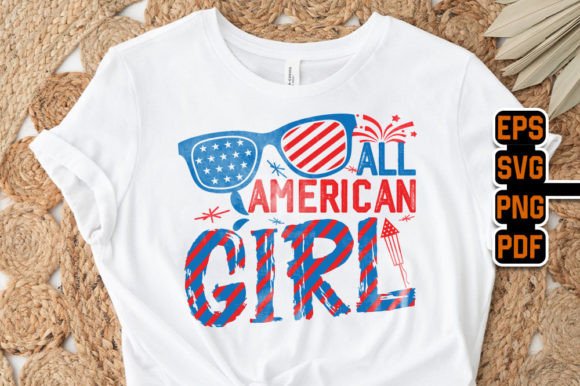
The Independence Day July 4 26 March Holiday design immediately catches the eye with its clean, bold lines and recognizable symbols of celebration. The layout is well-structured, making it ideal for t-shirts, tote bags, and other apparel items that need a strong visual presence. The theme feels authentic and appropriate for both personal and commercial use, especially around national holidays or patriotic events.
The design has a classic feel, which makes it versatile. It doesn’t lean too heavily into modern trends, but it still looks fresh and relevant. The level of detail is sufficient for most embroidery applications—enough to be noticeable but not so intricate that it becomes overwhelming or difficult to stitch out.
Real-Life Use Cases: From Tote Bags to Personalized Gifts
I tested the Independence Day July 4 26 March Holiday on a few different projects, including a custom embroidered tote bag and a sweatshirt. In both cases, the design translated well. The placement of elements allowed for easy positioning on the garment, and the overall shape didn’t interfere with the fabric’s natural movement.
This design works particularly well as a tote bag design or sweatshirt embroidery. It also has potential for personalized gifts, like baby onesies or aprons. The size and composition make it suitable for small hoop embroidery, though larger hooping may be needed for full coverage on bigger items.
For holiday embroidery projects, this design is a solid choice. It adds a sense of occasion without being too flashy. It could also work as an embroidered patch for caps or jackets, where the design’s simplicity helps maintain clarity at smaller sizes.
Where to Be Cautious: Fabric and Design Limitations
While the Independence Day July 4 26 March Holiday is generally well-suited for most embroidery projects, there are some scenarios where caution is advised. On thin fabric or stretchy fabric, the design might appear slightly distorted, depending on the stabilizer used. I recommend testing it on similar materials before committing to a final project.
The design also has areas with dense stitching, which could be problematic on dark fabric if the thread color isn’t chosen carefully. For example, if you’re using a light-colored thread on a black shirt, the contrast might not be as sharp as expected. Always test the thread colors against the fabric background before starting a large batch.
On curved surfaces like caps or hoods, the design may require slight adjustments to maintain its intended look. Additionally, if the design includes tiny lettering or decorative accents, those details could get lost if the stitch density is too high or the fabric is too textured.
Impact on Visual Appeal and Customer Perception
When it comes to visual appeal, the Independence Day July 4 26 March Holiday design holds up well. It adds a professional touch to any handmade product or custom apparel, helping to elevate the perceived value of the finished item. Customers often appreciate clear, recognizable designs that reflect the occasion, and this one does just that.
In terms of customer trust, having a well-designed, properly stitched embroidery piece can make a big difference. It shows attention to detail and craftsmanship, which is crucial for Etsy sellers or small shop products. This design can help build brand consistency, especially if you’re targeting a patriotic or celebratory audience.
For giftability, the Independence Day July 4 26 March Holiday is a strong contender. Whether it’s a personalized gift for a family member or a holiday present for a friend, the design’s clarity and relevance make it a thoughtful choice.
Practical Designer Notes: What You Need to Know
Before jumping into a full project, I always recommend testing the design on scrap fabric. This allows you to see how the stitch density and stabilizer affect the outcome. It’s also a good idea to review the embroidery file for any hidden elements or complex layers that might not translate well to certain fabrics.
Since the Independence Day July 4 26 March Holiday is described as editable and color changeable, it’s worth checking whether the files support those features. If you plan to use it for commercial embroidery or digital product sales, make sure you understand the licensing terms before proceeding.
Finally, don’t forget to compare the design on light and dark fabric backgrounds. Some details might not show up as well on certain colors, so it’s important to ensure the design remains legible and visually appealing no matter the application.
Conclusion: A Solid Choice for Patriotic Projects
The Independence Day July 4 26 March Holiday design is a reliable option for a range of embroidery projects. Its clean layout, strong visual identity, and versatility make it a valuable addition to any designer’s toolkit. While it has some limitations in specific situations, it performs well in most standard applications.
If you’re looking for a design that can enhance your craft business, custom apparel, or holiday merchandise, this one is worth considering. Just remember to test it thoroughly and choose the right materials and techniques to get the best results.